About
BLOG

Interested in a little light reading?

Our blog is continually updated with helpful educational information, advises, research and insights—all in the name of helping you level-up your color and appearance needs. Grab a drink and enjoy our stories!

Explore Our Stories
Title of the blog with coffee and coffee grounds in the background

"How Do UV Spectrophotometers Analyze Caffeine Levels? : Using Light Absorption to Measure Coffee"

Read More

Explore Our Products

VIEW MORE

Title of the blog with coffee and coffee grounds in the background

"How Do UV Spectrophotometers Analyze Caffeine Levels? : Using Light Absorption to Measure Coffee"

Read More
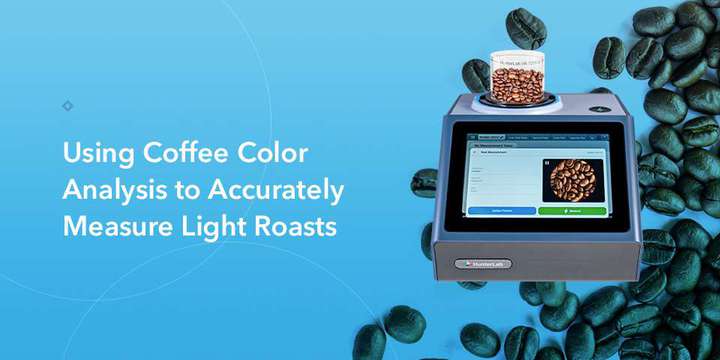
01-Using-Coffee-Color-Analysis-to-Accurately.jpg

"Using Coffee Color Analysis to Accurately Measure Light Roasts"

Read More
01-Using-Coffee-Color-Analysis-to-Accurately.jpg

"Using Coffee Color Analysis to Accurately Measure Light Roasts"

Read More
food-dinner-lemon-rice-large.jpg

"Spectrophotometric Determination of Fish Freshness Protects Consumer Health"

Read More
01-Measuring-the-Color-of-Protein-Powder.jpg

"Measuring the Color of Protein Powder Using Spectrophotometry Enhances Appeal"

Read More
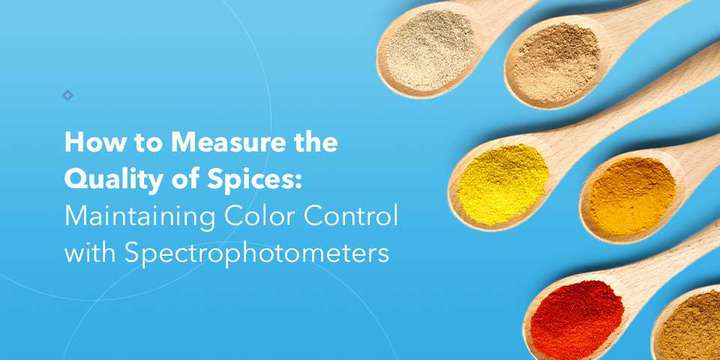
01-How-to-Measure-the-Quality-of-Spices.jpg

"How to Measure the Quality of Spices: Maintaining Color Control with Spectrophotometers"

Read More

How Do UV Spectrophotometers Analyze Caffeine Levels? : Using Light Absorption to Measure Coffee

Posted on Feb 05, 2026 by HunterLab

私はあまり朝型ではないので、ベッドから起き上がるには毎日ちょっとした動機付けが必要だ。朝の一杯のコーヒーは私の大好きな儀式のひとつであり、カフェインの衝撃が一日をスタートさせるための明らかなボーナスであることは認める。

しかし、この温かい飲み物を同じように愛する何百万人もの人々にとっては、様々な配慮からノンカフェインの方が良い場合もある。コーヒーの生産者は、消費者が期待しているものを確実に得られるように、カフェインによる大きな衝撃を与えたり、カフェインの摂取を最小限に抑えたりするさまざまな選択肢を消費者に提供する必要がある。このプロセスは、UV分光光度計と光吸収測定の使用に大きく依存している。

光 吸収 測定 カフェイン レベル を使用する

分光光度計は、光の吸収を利用して溶液を透過する波長を測定する。コーヒー中のカフェイン濃度を測定する場合、サンプル中の分子は色スペクトル内の異なる波長で光を吸収し、カフェイン濃度を決定するための定量可能なデータとして使用できる情報を提供します。カフェインレスコーヒー豆バッチ中のカフェイン濃度の正確な光吸収測定値を生成する能力は、「入手可能な "カフェイン抜き "ブレンド間でカフェイン濃度に一貫性がないことを防ぐ」ことによって、敏感な消費者の健康リスクを減らすために不可欠である。

FDA (Food and Drug Administration)は、「デカフェ」のラベルを付けるために、カフェインレスブレンドのカフェイン含有量をわずか25ppmにすることをコーヒー生産者に要求している。 カフェインモニタリングの光吸収法は、カフェイン除去サイクルが完了したことを即座に分析できるため、生産時間と効率を最大限に高めることができます。

コーヒーに含まれるカフェインの測定も、製品の価値を決定する上で重要である。Measurement of Caffeine in Coffee Beans with UV/vis Spectrometer" という記事では、"コーヒー豆中のカフェインの化学分析は、コーヒーの品質を評価するための追加的なツールとしても使用されている" と報告されている。しかし、平均的なコーヒー愛飲家にとっては、他の多くの要因が消費者の品質認識に影響を与える。

Posted in Color In Food Industry

How Do UV Spectrophotometers Analyze Caffeine Levels? : Using Light Absorption to Measure Coffee

Posted on Feb 05, 2026 by HunterLab

No soy muy madrugadora, así que necesito un poco de motivación cada día para levantarme de la cama. Mi taza de café matutina es uno de mis rituales favoritos, y admito que el subidón de cafeína es una ventaja evidente para empezar el día.

Sin embargo, para los millones de personas que comparten un amor similar por esta bebida caliente, las versiones sin cafeína son a veces una mejor opción debido a diversas consideraciones. Los productores de café necesitan ofrecer una variedad de opciones a los consumidores que, o bien proporcionen esa gran sacudida de cafeína, o bien garanticen que la ingesta de cafeína se reduce al mínimo, para que los consumidores puedan estar seguros de que están recibiendo lo que esperan. Este proceso depende en gran medida del uso de la espectrofotometría UV y de las mediciones de absorción de luz.

Utilizando Luz Absorción para Medir Caffeína Niveles

Los espectrofotómetros utilizan la absorción de la luz para medir las longitudes de onda que se transmiten a través de una solución. Al medir el contenido de cafeína en el café, las moléculas de la muestra absorberán la luz en diferentes longitudes de onda dentro del espectro de color, proporcionando información que puede utilizarse como datos cuantificables para determinar la concentración de cafeína. La capacidad de generar mediciones precisas de absorción de luz de los niveles de cafeína en los lotes de granos de café descafeinado es esencial para reducir los riesgos para la salud en los consumidores sensibles al "prevenir niveles inconsistentes de cafeína entre las mezclas 'descafeinadas' disponibles."

La FDA (Food and Drug Administration) exige a los productores de café que reduzcan el contenido de cafeína a sólo 25 partes por millón en las mezclas descafeinadas para poder llevar la etiqueta "descafeinado". Los métodos de control de la cafeína por absorción de luz pueden proporcionar un análisis instantáneo para indicar cuándo se ha completado el ciclo de descafeinado, maximizando así el tiempo de producción y la eficacia.

La medición de la cafeína en el café también es importante para determinar el valor del producto. En el artículo "Measurement of Caffeine in Coffee Beans with UV/vis Spectrometer," se informó de que "el análisis químico de la cafeína en los granos de café también se utiliza como una herramienta adicional para evaluar la calidad del café." Sin embargo, para el bebedor medio de café, hay muchos otros factores que afectan a la percepción de la calidad por parte del consumidor.

Posted in Color In Food Industry

Using Coffee Color Analysis to Accurately Measure Light Roasts

Posted on Feb 05, 2026 by HunterLab

One of my friends owns a chain of coffee shops that are renowned for hand-roasting their own light coffee blends. For years, he used the same roaster to give his light coffee beans a perfect soft caramel color. To get this particular hue, he had to time his roast down to the second, achieving a consistent batch each day.

As his business grew, he purchased a set of new, more advanced coffee roasters and quickly found that his old roasting times no longer applied. His new roasters tend to overheat the beans, resulting in much darker coffee than he prefers. To correct for this, he turned to spectrophotometry for coffee color analysis, ensuring that all of his roasts meet his — and his customers’ — high standards to help his business flourish.

Using a spectrophotometer to measure the color of your light coffee allows you to achieve consistency in your beans and accurately calibrate your roasting equipment to produce coffees of the highest quality. Both of these factors result in better-tasting coffee and more satisfied customers.

Light Roasts Are a Sign of Complex Flavors

When a customer buys a package of light roast coffee beans or purchases a cup of coffee made from those beans, they expect a certain flavor and color profile. Generally, light roast coffee tastes more complex than darker roasts, with strong fruit and floral flavors. If a roaster leaves the beans over the heat for even a few minutes too long, these fruity and floral notes will begin to disappear, resulting in a darker coffee that tastes richer and less complex, with even some hint of bitterness.

This flavor alteration is why coffee color analysis is perhaps more vital for lighter roasts than for any other coffee style. While it’s still important to have a consistent roast no matter how dark you make it, a light coffee roast often has more delicate flavors that you’ll need to protect during this process — you can’t over-roast these beans for even a moment too long without risking a bitter aftertaste.

Unfortunately, our eyes often have trouble detecting the subtle difference between a light roast bean and one that is veering into a medium or dark roast range. If for instance, you look at HunterLab’s Coffee Color Index (HCCI), you’ll see that light roasts range from 21.8 to 12.7 on the scale.

Although you might be able to clearly see the difference between a very light roast (21.8) and a medium-light roast (12.7), the difference between more subtle shade changes is less obvious. A light roast (18.8) and a moderately light roast (15.7) could look almost identical to the naked eye, even though one tastes bitter and less fruity. A spectrophotometer can help you identify these subtle shade changes in your beans, leading to more refined flavors and precision than you could achieve by estimating the color yourself.

Posted in Color In Food Industry

Using Coffee Color Analysis to Accurately Measure Light Roasts

Posted on Feb 05, 2026 by HunterLab

One of my friends owns a chain of coffee shops that are renowned for hand-roasting their own light coffee blends. For years, he used the same roaster to give his light coffee beans a perfect soft caramel color. To get this particular hue, he had to time his roast down to the second, achieving a consistent batch each day.

As his business grew, he purchased a set of new, more advanced coffee roasters and quickly found that his old roasting times no longer applied. His new roasters tend to overheat the beans, resulting in much darker coffee than he prefers. To correct for this, he turned to spectrophotometry for coffee color analysis, ensuring that all of his roasts meet his — and his customers’ — high standards to help his business flourish.

Using a spectrophotometer to measure the color of your light coffee allows you to achieve consistency in your beans and accurately calibrate your roasting equipment to produce coffees of the highest quality. Both of these factors result in better-tasting coffee and more satisfied customers.

Light Roasts Are a Sign of Complex Flavors

When a customer buys a package of light roast coffee beans or purchases a cup of coffee made from those beans, they expect a certain flavor and color profile. Generally, light roast coffee tastes more complex than darker roasts, with strong fruit and floral flavors. If a roaster leaves the beans over the heat for even a few minutes too long, these fruity and floral notes will begin to disappear, resulting in a darker coffee that tastes richer and less complex, with even some hint of bitterness.

This flavor alteration is why coffee color analysis is perhaps more vital for lighter roasts than for any other coffee style. While it’s still important to have a consistent roast no matter how dark you make it, a light coffee roast often has more delicate flavors that you’ll need to protect during this process — you can’t over-roast these beans for even a moment too long without risking a bitter aftertaste.

Unfortunately, our eyes often have trouble detecting the subtle difference between a light roast bean and one that is veering into a medium or dark roast range. If for instance, you look at HunterLab’s Coffee Color Index (HCCI), you’ll see that light roasts range from 21.8 to 12.7 on the scale.

Although you might be able to clearly see the difference between a very light roast (21.8) and a medium-light roast (12.7), the difference between more subtle shade changes is less obvious. A light roast (18.8) and a moderately light roast (15.7) could look almost identical to the naked eye, even though one tastes bitter and less fruity. A spectrophotometer can help you identify these subtle shade changes in your beans, leading to more refined flavors and precision than you could achieve by estimating the color yourself.
Posted in Color In Food Industry

Spectrophotometric Determination of Fish Freshness Protects Consumer Health

Posted on Feb 05, 2026 by HunterLab

Los seres humanos hemos evolucionado como criaturas muy visuales, que utilizan el color como uno de los significantes de seguridad más importantes. Desde un semáforo en rojo hasta una serpiente de colores brillantes, el color actúa como una alarma visual instantánea e instintiva que nos advierte de posibles peligros. Este uso del color como indicador de seguridad se evidencia quizá más claramente en el acto de sacar un trozo de pescado de la nevera y preguntar: "¿Te parece bien?".

A diferencia de muchas relaciones color/percepción, la que existe entre el color del pescado y la seguridad alimentaria es relativamente lineal; aunque incluso los expertos no sean capaces de distinguir entre vinos blancos y tintos en catas a ciegas, se puede estar bastante seguro de que si un pescado tiene mal aspecto, está malo. El cambio de color en sí es un indicador de una secuencia específica de acontecimientos biológicos y el proceso comienza casi inmediatamente después de la muerte. Como señalan Nollet y Foldra en el Handbook of Seafood and Seafood Product Analysis:

"El aspecto de un pez recién desembarcado es inolvidable, ya que el juego de sutiles matices de hermosos colores lo convierte en un placer para la vista e irresistible como alimento. Sin embargo, pocas horas después de su muerte, su aspecto empieza a ser menos atractivo y sus colores, ahora "ordinarios", resultan mucho más familiares para la mayoría del público."1

Igual de familiar es el aspecto de un producto pesquero en mal estado: apagado, sin vida, en descomposición y con potencial de intoxicación alimentaria.

Pero la determinación de la frescura del pescado no depende sólo de los consumidores individuales; la industria de los productos del mar en su conjunto debe poner mucho cuidado en evaluar la calidad y seguridad de los productos a lo largo de toda la cadena de suministro, sobre todo en un momento en el que la trazabilidad es una preocupación creciente.

La instrumentación espectrofotométrica proporciona una base objetiva para determinar la frescura del pescado. Fuente de la imagen: Steyn Viljoen, usuario de Pexels

Posted in Color In Food Industry

Measuring the Color of Protein Powder Using Spectrophotometry Enhances Appeal

Posted on Feb 05, 2026 by HunterLab

プロのアスリートからベジタリアンやビーガンまで、世界中の何千人もの人々が栄養ニーズを満たすためにプロテインパウダーサプリメントを利用しており、消費者がこれらの製品を購入する際に考慮する最も重要な要素の一つが色です。 色は感覚的魅力や風味の知覚において重要な役割を果たすだけでなく、色の均一性は品質の重要な指標でもあります。なぜなら、均一性は洗練された製造工程によってのみ達成できるからです。実際、望ましくない色の変化は製品の劣化を示している可能性があります。

残念ながら、多くのプロテインメーカーは製品の色調の一貫性に苦労しています。原料のばらつき、混合の不均一、環境条件などの要因が粉末の色に影響を与える可能性があります。分光測色技術を用いてプロテインパウダーの色を徹底的にテストすることで、一貫性が向上します。 

これらのソリューションにより、より魅力的な製品をバッチごとに一貫して製造でき、短期的・長期的な顧客の期待に応えることが可能となります。製造プロセス全体を通じて色調の品質管理に注力することで、栄養価の高さと見た目の良さを兼ね備えた粉末を生産できます。

プロテインパウダーにおいて色調の一貫性は品質の証である

色調の一貫性は、消費者の関心を引きつけることから製品の品質を示すことまで、様々な理由から重要です。 

プロテインパウダーの色に影響を与える要因

プロテインパウダーは、メーカーが使用する原料によって様々な色があります。例えば、プロテインパウダーにココアが含まれている場合、自然な茶色になります。 同様に、エンドウ豆プロテインから作られたパウダーは、しばしばわずかに緑がかった色合いを帯びています。ただし、プロテインパウダーの原料が製品の色に影響を与える一方で、多くのメーカーは一貫した色調を実現し視覚的な魅力を最適化するために、着色添加物や漂白処理を使用しています。

色が魅力に与える影響

研究者らは、プロテインパウダーの外観に関して顧客が強い意見を持っていることを発見した。白色、緑色、そして濃い茶色が最も好まれている。

多くの消費者は、タンパク質製品の色が鮮やかではなく(むしろ)くすんでいるものを好む。これは製品をより自然に見せるためである。色は食品の風味の知覚、甘さ、新鮮さに影響を与える。

白い製品は純粋で不純物を含まないように見え、消費者は緑色を健康と結びつけ、濃い茶色の粉末は信頼性が高く、好ましくない人工添加物を含まない印象を与えることが多い。多くのプロテインパウダーメーカーは製品開発において、一般的にこれら3つの色調のいずれかを目標としている。

色が重要なその他の理由

色には心理的影響を超えた実用的な利点もあり、メーカーはタンパク質粉末を漂白する理由の一つとして、消費者が粉末の期限切れや酸化を識別しやすくするためである。 

例えば、ホエイプロテインは、チェダーチーズに由来するため、本来は黄色です。しかし、この粉末が熱や湿気にさらされると、酸化により、時間の経過とともに粉末はさらに黄色く、あるいは茶色く変色します。 このような状況では、リジン(サプリメントに含まれる重要なアミノ酸)が分解され始め、その結果、粉末の効果が低下する可能性があります。

したがって、色の変化は有効性を示す非常に現実的で重要な指標となり得る。 残念ながら、多くの消費者は製品の自然な黄色みを好まず、黄ばみの程度を判別できないため、粉末が劣化しているかどうかを見分けるのが難しいと感じています。この問題を解決するため、メーカーはホエイプロテインパウダーを漂白し、可能な限り白く見せることがよくあります。これにより見た目の魅力が増すだけでなく、酸化による黄ばみ、ひいては潜在的な劣化をより容易に検出できるようになるのです。

粉末を漂白するか、食品着色料を加えるか、あるいは配合に天然成分のみを使用するかに関わらず、製造工程全体を通じて製品の色調の一貫性をテストすることが重要です。この工程により、プロテインパウダーの望ましい外観を実現し、製品に不純物が混入していないことを保証できます。

Posted in Color In Food Industry

How to Measure the Quality of Spices: Maintaining Color Control with Spectrophotometers

Posted on Feb 05, 2026 by HunterLab

In preparation for holiday cooking, I decided now was a good time to organize my spices, and I have to admit that my spice cabinet was a bit of a disaster. I quickly realized that the task was long overdue as I began to compare my duplicates (and yes, even triplicates) to decipher which to keep and which to throw out.

As I was sorting, I noticed a direct correlation between spice color and my perception of freshness and decided to investigate what color control really means to the quality of spices. The truth is that color control is a primary factor in quality analysis, which is used during the production of spices around the world. Process monitoring of color control is highly dependent on the use of spectrophotometers to ensure the quality and safety of spice products.

Posted in Color In Food Industry
Prev
1
2
3
…
Next

Most Related Posts

  • How Do UV Spectrophotometers Analyze Caffeine Levels? : Using Light Absorption to Measure Coffee
  • How Do UV Spectrophotometers Analyze Caffeine Levels? : Using Light Absorption to Measure Coffee
  • Using Coffee Color Analysis to Accurately Measure Light Roasts
  • Using Coffee Color Analysis to Accurately Measure Light Roasts
  • Spectrophotometric Determination of Fish Freshness Protects Consumer Health
  • Measuring the Color of Protein Powder Using Spectrophotometry Enhances Appeal
  • How to Measure the Quality of Spices: Maintaining Color Control with Spectrophotometers
View More Related Posts

Follow us on social

  • LinkedInFollow us on LinkedIn
  • YouTubeFollow us on YouTube
  • facebookFollow us on Facebook
  • XFollow us on X (formerly Twitter)
  • instagramFollow us on Instagram